
In an age of constant connectivity, high-stress environments, and blue-light saturation, the quest for a good night’s sleep has become a modern-day holy grail. While many turn to pharmaceutical interventions, the most sustainable and gentle solutions often lie within our kitchens. The relationship between diet and sleep is profound; the nutrients we consume act as the chemical precursors to the hormones and neurotransmitters that regulate our circadian rhythms.
This comprehensive guide explores the science of “sleep foods,” detailing the specific ingredients, their biochemical impacts, and practical ways to incorporate them into your evening routine to transform your rest.
 1. The Biochemistry of Sleep: Why Food Matters
Before diving into specific foods, it is essential to understand the “Big Four” compounds that facilitate sleep:
- Tryptophan: An amino acid that the body uses to produce serotonin (the feel-good hormone) and melatonin (the sleep hormone).
- Melatonin: The hormone that signals to your brain that it is time to sleep.
- Magnesium: A mineral that helps relax muscles and reduces cortisol (the stress hormone).
- Potassium: A mineral that works alongside magnesium to prevent muscle cramps and improve sleep maintenance.
By choosing foods rich in these compounds, you aren’t just “eating”; you are performing a biological hack to prime your nervous system for recovery.
2. The Powerhouse Fruits
Fruits are often overlooked as sleep aids, but certain varieties contain high concentrations of antioxidants and hormones that directly influence the brain’s sleep centers.
Tart Cherries (Montmorency Cherries)
Tart cherries are perhaps the most famous “sleep superfood.” Unlike sweet cherries, the tart variety contains significantly higher levels of exogenous melatonin.
- Ingredient Form: Melatonin, Anthocyanins (antioxidants), Tryptophan, and Potassium.
- How to Use Details:
- The Juice Protocol: Drink 8 ounces (240ml) of unsweetened tart cherry juice twice daily—once in the morning and once about two hours before bed. Studies suggest this can increase sleep time by up to 84 minutes for people with insomnia.
- The Dried Snack: If you prefer solids, eat 1/4 cup of dried tart cherries after dinner.
- The Sleepy Smoothie: Blend frozen tart cherries with a splash of almond milk and a tablespoon of almond butter for a magnesium-melatonin double-hit.

Kiwi Fruit
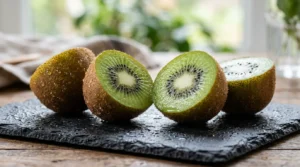
The humble kiwi is a nutritional powerhouse for sleep, primarily due to its high serotonin content.
- Ingredient Form: Serotonin, Vitamin C, Vitamin E, Folate, and Potassium.
- How to Use Details:
- The Two-Kiwi Rule: Research indicates that eating two kiwis one hour before bed every night for four weeks can significantly improve sleep onset (falling asleep faster) and duration.
- Preparation: Peel and slice them, or simply cut them in half and scoop the flesh out with a spoon. Keep the skin on (if organic) for extra fiber, which helps stabilize blood sugar through the night.
Bananas
Bananas act as a natural “sleeping pill” in fruit form, providing the minerals necessary for muscle relaxation.
- Ingredient Form: Magnesium, Potassium, Vitamin B6, and Tryptophan.
- How to Use Details:
- The Bedtime Snack: Eat one medium banana 30–60 minutes before sleep.
- Banana Peel Tea: Don’t throw the peel away! Wash an organic banana, cut off the ends, and boil the whole banana (peel included) in water for 10 minutes. Strain the water into a mug and add a dash of cinnamon. The peel is exceptionally high in magnesium.
3. Nuts and Seeds: The Mineral Anchors
Nuts and seeds provide the healthy fats and minerals needed to keep the body in a parasympathetic (rest-and-digest) state.
Almonds
Almonds are an excellent source of magnesium, which is crucial for reducing inflammation and lowering levels of the stress hormone cortisol.
- Ingredient Form: Magnesium, Melatonin, Riboflavin, and Manganese.
- How to Use Details:
- Portion Control: A single ounce (about a handful or 23 almonds) provides nearly 20% of your daily magnesium needs.
- Almond Butter Spread: Spread one tablespoon of raw almond butter on a slice of whole-grain toast. The complex carbohydrates in the toast help the tryptophan from the almonds cross the blood-brain barrier.
Walnuts
Walnuts are one of the best plant-based sources of Omega-3 fatty acids, which have been linked to improved sleep quality.
- Ingredient Form: Alpha-linolenic acid (ALA), Melatonin, Phytosterols, and Polyphenols.
- How to Use Details:
- The Evening Salad: Add crushed walnuts to a light evening salad with leafy greens.
- Standalone Snack: Eat 7–10 walnut halves an hour before bed. Walnuts contain their own source of melatonin, which is easily absorbed by the human body.
Pumpkin Seeds (Pepitas)
These small seeds are one of the most concentrated sources of tryptophan available in the plant kingdom.
- Ingredient Form: Tryptophan, Zinc, Magnesium, and Copper.
- How to Use Details:
- The Tryptophan Booster: Combine pumpkin seeds with a small piece of fruit. The zinc in the seeds helps the brain convert tryptophan into serotonin.
- Roasted Preparation: Dry-roast them at home with a pinch of sea salt and consume 2 tablespoons as a late-night crunchy snack.
4. Complex Carbohydrates: The Tryptophan Shuttles
Carbohydrates often get a bad reputation, but when it comes to sleep, they are essential. They trigger an insulin response that clears other amino acids from the blood, allowing tryptophan to enter the brain more efficiently.
Rolled Oats (Oatmeal)
Oats aren’t just for breakfast. They are a natural source of melatonin and are rich in B vitamins.
- Ingredient Form: Melatonin, Fiber, Vitamin B1 (Thiamine), and Magnesium.
- How to Use Details:
- The Nighttime Bowl: Prepare a half-serving of oatmeal (using water or nut milk) about 90 minutes before bed.
- Toppings: Avoid sugar, which can cause a spike and crash. Instead, top with a few walnuts or a sprinkle of cinnamon. Cinnamon helps regulate blood sugar so you don’t wake up in the middle of the night.
White Rice (Specifically Jasmine Rice)
While whole grains are usually preferred, high-glycemic index (GI) jasmine rice has been found to significantly decrease the time it takes to fall asleep when eaten 4 hours before bedtime.
- Ingredient Form: High-GI carbohydrates (for insulin response) and Folate.
- How to Use Details:
- The 4-Hour Rule: Eat a moderate serving of jasmine rice with a lean protein (like salmon or turkey) four hours before your intended sleep time. This timing allows the insulin surge to assist tryptophan transport without causing indigestion.
5. Lean Proteins: The Foundation of Repair
Protein is necessary for muscle repair during sleep, but the type of protein matters. High-fat, heavy meats can cause indigestion, while lean proteins promote rest.
Fatty Fish (Salmon, Mackerel, Sardines)
The combination of Vitamin D and Omega-3 fatty acids in oily fish is a “secret weapon” for sleep. These two nutrients work together to regulate serotonin.
- Ingredient Form: Vitamin D, EPA/DHA (Omega-3s), and Vitamin B6.
- How to Use Details:
- Dinner Choice: Aim for a 4–6 ounce serving of fatty fish at dinner 2–3 times a week.
- The Science: Vitamin D is crucial for the sleep-wake cycle; many people with insomnia are actually deficient in this vitamin.
Turkey and Chicken
The “Thanksgiving coma” is real. Poultry is exceptionally high in tryptophan.
- Ingredient Form: Tryptophan, Protein, and Iron.
- How to Use Details:
- The Lean Slice: A few slices of deli-style, low-sodium turkey breast can serve as a quick, low-calorie bedtime snack.
- Pairing: Wrap the turkey around a slice of apple or a small piece of cheese for a balanced snack that provides both the protein and a tiny amount of sugar to trigger the insulin needed for tryptophan absorption.
Cottage Cheese
Cottage cheese is rich in casein protein, which is a slow-releasing protein that prevents muscle breakdown during the night.
- Ingredient Form: Casein Protein, Tryptophan, and Calcium.
- How to Use Details:
- The Midnight Snack: If you find yourself hungry right before bed, 1/2 cup of low-fat cottage cheese is ideal. It keeps you satiated, preventing “hunger wakes,” while providing the tryptophan needed for sleep.
6. Healing Beverages: The Liquid Lullabies
Sipping a warm beverage is a psychological signal to the body that the day is over. The warmth increases blood flow to the extremities, which helps lower core body temperature—a necessary step for falling asleep.
Chamomile Tea
Chamomile contains an antioxidant called apigenin, which binds to specific receptors in your brain that may promote sleepiness and reduce insomnia.
- Ingredient Form: Apigenin, Bisabolol, and Chamazulene.
- How to Use Details:
- The Deep Steep: Use two tea bags instead of one. Steep in boiling water for at least 10 minutes with a lid on the mug to prevent the essential oils from escaping.
- Timing: Drink 30–45 minutes before bed.
Golden Milk (Turmeric Milk)
This ancient Ayurvedic remedy reduces inflammation, which is a common (but often invisible) cause of poor sleep.
- Ingredient Form: Turmeric (Curcumin), Ginger, Cinnamon, and Black Pepper (to activate the turmeric).
- How to Use Details:
- The Recipe: Warm one cup of unsweetened almond or coconut milk. Stir in 1/2 teaspoon of turmeric powder, 1/4 teaspoon of ginger powder, a pinch of black pepper, and a teaspoon of honey.
- Benefit: The warmth and the anti-inflammatory properties soothe the digestive system and the joints.
Valerian Root Tea
Valerian is often called “nature’s Valium.” It has been used since ancient Greek and Roman times to treat insomnia.
- Ingredient Form: Valerenic acid and Valerone.
- How to Use Details:
- Preparation: It has a very earthy, pungent smell. It is best enjoyed with a little honey or mixed with lemon balm tea to improve the flavor.
- The GABA Connection: Valerian works by increasing the levels of Gamma-Aminobutyric Acid (GABA) in the brain, which has a sedative effect.
7. Leafy Greens and Vegetables
While not typically thought of as “sleepy,” certain vegetables provide the structural minerals needed for the nervous system to shut down.
Spinach and Kale
Dark leafy greens are loaded with calcium, which helps the brain use tryptophan to manufacture melatonin.
- Ingredient Form: Calcium, Magnesium, Potassium, and Vitamin C.
- How to Use Details:
- The Dinner Base: Use spinach as a base for your evening meal. A deficiency in magnesium or calcium can cause you to wake up after just a few hours of sleep and struggle to drift off again.
Lettuce (Specifically Wild Lettuce or Romaine)
Believe it or not, lettuce contains “lactucarium,” which has sedative properties.
- Ingredient Form: Lactucarium (a phytonutrient).
- How to Use Details:
- Lettuce Tea: An old folk remedy involves boiling 3-4 large Romaine lettuce leaves in a cup of water for 15 minutes. Add a sprig of mint for flavor. Drink this “tea” before bed.
8. The “Sleepy Girl Mocktail”: A Viral Modern Remedy
In recent years, a specific combination of ingredients has gained popularity for its effectiveness.
- Ingredients:
- 1/2 cup Pure Tart Cherry Juice.
- 1 tablespoon Magnesium Threonate or Magnesium Citrate powder.
- A splash of Sparkling Water or Prebiotic Soda.
- How to Use Details:
- Mix the juice and magnesium powder thoroughly before adding the sparkling water. The magnesium relaxes the muscles, while the cherry juice provides the melatonin. It is a delicious, ritualistic way to end the night without alcohol.
9. Foods to Avoid: The Sleep Saboteurs
Understanding what to eat is only half the battle; you must also know what to avoid in the hours leading up to bedtime.
Caffeine (The 10-Hour Rule)
Caffeine has a half-life of about 5–6 hours. If you drink coffee at 4 PM, half of it is still in your system at 10 PM.
- Avoid: Coffee, black tea, energy drinks, and even dark chocolate in the evening.
Alcohol (The Sleep Paradox)
While alcohol might help you fall asleep faster, it destroys sleep quality. It prevents you from entering deep REM (Rapid Eye Movement) sleep and causes “rebound arousal” in the second half of the night.
- Limit: Try to have your last drink at least 3 hours before bed and pair it with plenty of water.
High-Sugar Foods
Sugar causes a rapid spike in blood glucose, followed by a crash. When your blood sugar crashes at 3 AM, your body releases cortisol to bring it back up, which wakes you up in a state of alertness.
- Avoid: Candy, soda, and heavy desserts right before bed.
Spicy and Acidic Foods
Heartburn and acid reflux are exacerbated when you lie down.
- Avoid: Hot sauce, citrus, and heavy tomato-based sauces within 3 hours of sleep.
10. The Ideal Sleep-Promoting Daily Meal Plan
To put all this information into practice, here is a sample day designed for maximum sleep efficiency.
Breakfast: The Rhythm Setter
- Meal: Scrambled eggs with spinach and a side of smoked salmon.
- Goal: Start the day with Vitamin D and healthy fats to set your circadian clock.
Lunch: The Energy Sustainer
- Meal: Quinoa bowl with roasted chickpeas, kale, and avocado.
- Goal: Provide complex carbs and magnesium to keep stress levels low throughout the afternoon.
Afternoon Snack: The Pre-Sleep Bridge
- Meal: A handful of almonds and an apple.
- Goal: Maintain steady blood sugar and begin the magnesium loading process.
Dinner: The Tryptophan Foundation (7:00 PM)
- Meal: Grilled turkey breast or baked cod served with a small portion of jasmine rice and steamed broccoli.
- Goal: Use the high-GI rice to shuttle the tryptophan from the turkey into the brain.
Bedtime Ritual (9:30 PM)
- Beverage: A cup of warm Chamomile or Valerian tea.
- Snack (if hungry): Half a banana or two kiwis.
11. Timing and Mindful Consumption
How you eat is almost as important as what you eat.
- The 3-Hour Window: Try to finish your last large meal at least three hours before your head hits the pillow. This gives your stomach time to move food into the small intestine, preventing the discomfort of digestion from keeping you awake.
- Portion Control: A very heavy meal diverted blood flow to the gut and away from the brain’s recovery centers. Keep dinners moderate in size.
- Hydration Management: Drink most of your water during the day. Taper off fluid intake about 90 minutes before bed to prevent “nocturia” (the need to wake up and urinate).
- Temperature Matters: Warm foods and drinks (like soup or tea) are generally better for sleep than cold ones, as they help regulate the body’s internal thermostat.
12. Troubleshooting: When Food Isn’t Enough
If you are eating the right foods and still struggling to sleep, consider these external factors:
- Light Exposure: Are you using a phone while eating your “sleep snacks”? Blue light suppresses melatonin more powerfully than tart cherry juice can provide it.
- Consistency: The “Two Kiwi Rule” works because of cumulative effects. You cannot eat one kiwi and expect an immediate miracle. Consistency over 2–4 weeks is key.
- The Gut-Brain Axis: If you have chronic digestive issues like IBS or SIBO, your body may struggle to produce serotonin (90% of which is made in the gut). In this case, focusing on probiotic-rich foods like Greek yogurt or kefir (which also contain tryptophan) may be the first step to better sleep.
13. Summary of Ingredients and Their Roles
For a quick reference, keep these primary ingredients in your pantry:
| Food Item | Primary Compound | Key Benefit |
|---|---|---|
| Tart Cherries | Melatonin | Regulates sleep-wake cycle |
| Almonds | Magnesium | Relaxes muscles and lowers cortisol |
| Kiwi | Serotonin | Improves sleep onset and quality |
| Turkey | Tryptophan | Precursor to melatonin |
| Fatty Fish | Vitamin D / Omega-3 | Regulates serotonin production |
| Oats | Complex Carbs / Melatonin | Sustained energy and hormone support |
| Chamomile | Apigenin | Sedative effect on brain receptors |
| Bananas | Potassium / B6 | Prevents muscle cramps and aids conversion |
14. Conclusion
Achieving deep, restorative sleep is a holistic endeavor. While it involves managing stress and optimizing your environment, your diet serves as the chemical foundation. By prioritizing foods rich in tryptophan, magnesium, and melatonin—while avoiding the stimulants and sugars that sabotage your rest—you can reclaim your nights.
Start tonight. Swap your evening coffee for chamomile, your sugary dessert for a bowl of kiwis, and your late-night scrolling for a warm cup of golden milk. Nature has provided the ingredients; all you have to do is use them. Sleep well.